NMN for Men Over 40: The Energy, Performance and Vitality Guide
June 4, 2026 · Nadovia Research Team

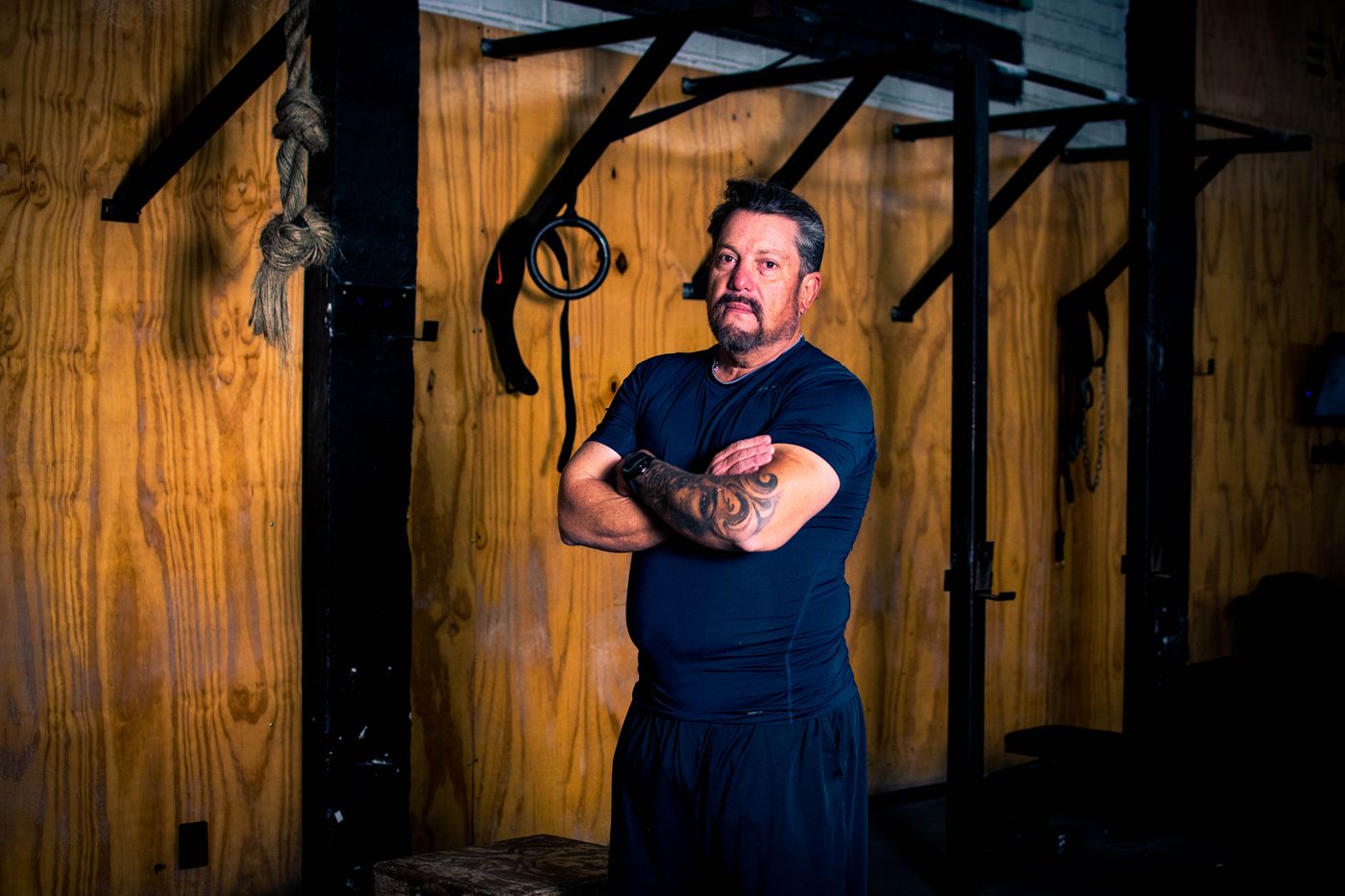
Men's Performance Guide · Updated June 2026
Men in their early 40s often describe a specific, frustrating experience: they are training as hard as they did at 35, eating similarly, sleeping reasonably well — and yet the results are not the same. Recovery takes longer. The pace that felt comfortable two years ago now feels like work. The cognitive sharpness that made demanding days feel manageable is less reliable.
This is not weakness or declining discipline. It is NAD+ depletion — measurable, biochemical, and addressable. For men specifically, the 40–55 age bracket is where the convergence of mitochondrial decline and the early stages of testosterone variability creates a compound energy deficit that NMN specifically targets.
Contents
The Pattern Men in Their 40s Describe
Consistently, across fitness communities, men in their 40s describe the same cluster of changes:
- Training at the same volume but recovering slower — DOMS lasting 3 days where it used to take 1
- Aerobic capacity that doesn't match effort — the pace that used to feel easy now requires more work
- The 2pm cognitive dip — sharp mental performance in the morning, significantly reduced by mid-afternoon
- Sleep that doesn't fully restore — waking up less refreshed than the hours in bed suggest
- Body composition changes despite no obvious change in diet or activity
These are not unrelated symptoms. They are all consistent with one underlying cellular change: NAD+ depletion reducing mitochondrial efficiency across every tissue.
The Cellular Mechanism Behind It
NAD+ declines by approximately 50% between your 20s and 60s. For most men, the decline becomes functionally significant in their early-to-mid 40s — the point where the cellular energy deficit begins to outpace the body's ability to compensate.
Less NAD+ means less efficient mitochondrial ATP production. The same food produces less energy. The same training produces more cellular damage relative to repair capacity. The same cognitive load feels heavier because neurons have less energy to sustain high-frequency activity.
This is not testosterone. It is not motivation. It is the cellular fuel supply running measurably lower — and producing every symptom men attribute to "getting older."
Evidence Specific to Men and Performance
The running trial (most directly relevant): Liao et al. (Nature Aging, 2021) studied trained male amateur runners with NMN at 300mg daily for 12 weeks. Result: significant improvement in aerobic capacity and oxygen utilisation — with the most pronounced effects in runners over 40. Men, active, over 40 — the exact demographic asking this question.
Physical performance (general): Igarashi et al. (NPJ Aging, 2022) and Kimura et al. (Frontiers in Aging, 2022) both found significant improvements in physical performance in older adults — improved walking speed, physical capacity, and reduced fatigue. Both trials included substantial male populations.
Sleep quality: The 12-week sleep trial found NMN users 2.4x more likely to see measurable sleep improvement. For men whose primary recovery complaint is "I sleep but don't recover," this is the most directly relevant data point.
NMN and Testosterone: What It Does and Does Not Do
This question comes up consistently: does NMN affect testosterone? The answer is straightforward: NMN does not directly raise testosterone. It operates on the NAD+-mitochondrial-sirtuin axis — a different system from the hypothalamic-pituitary-gonadal (HPG) axis that regulates testosterone.
What NMN does that intersects with the testosterone picture:
- Mitochondrial support in Leydig cells: Testosterone is produced in Leydig cells, which are highly mitochondria-dependent. Higher NAD+ and mitochondrial efficiency may support Leydig cell function — an indirect, not direct, testosterone effect
- Improved sleep quality: Testosterone production is highest during deep sleep. If NMN improves sleep quality (which trials suggest), improved deep sleep may support testosterone production indirectly
- Improved insulin sensitivity: Higher insulin sensitivity (documented in the Yoshino trial) is associated with higher testosterone — metabolic health supports hormonal health
These are indirect, plausible connections — not direct testosterone-raising effects. If testosterone levels are the primary concern, get them measured and discuss with your GP. TRT (testosterone replacement therapy) where clinically indicated has a different evidence profile from NMN.
Protocol for Men Over 40
For the active man who trains: Start with the Longevity Complex — 500mg NMN with Quercetin (anti-inflammatory for recovery) and TMG. Give it 8–12 weeks. Track recovery specifically: how many days until DOMS clears, how frequently you can train without accumulated fatigue, how effort feels at the same pace.
For the professional whose primary concern is cognitive performance: The Longevity Complex — specifically Pterostilbene (crosses the blood-brain barrier) and B12 alongside NMN. Track cognitive stamina: how far into the afternoon mental performance holds, reliance on caffeine, focus quality in the second half of the day.
Timing: Morning with breakfast. Non-negotiable for men over 40 — evening NMN can interfere with sleep onset for some people, which is counterproductive to the recovery benefit.
FAQ
Is NMN good for men over 40?
Yes. NAD+ depletion from the early 40s reduces mitochondrial efficiency, slows recovery, and affects cognitive stamina. The running performance trial found effects most pronounced in athletes over 40. Multiple trials show relevant physical performance, sleep, and energy improvements.
Does NMN increase testosterone?
NMN does not directly raise testosterone — it operates on a different biological axis. Indirect effects (improved sleep quality, improved insulin sensitivity, mitochondrial support for Leydig cells) may support testosterone function. For primary testosterone concerns, get levels measured and discuss with your GP.
How long does NMN take to work for men over 40?
Recovery improvements typically weeks 3–5. Energy changes weeks 2–4. Performance metrics weeks 6–10. Full baseline shift months 2–3. Most men notice most clearly when they forget to take it after 2+ months of consistent use.
What is the best NMN for men over 40?
Nadovia's Longevity Complex — 500mg NMN, Resveratrol + Pterostilbene (sirtuin activation), Quercetin (anti-inflammatory recovery), 600mg TMG, B12. The complete formula for active men. Published CoA every batch. Free AU shipping over $75. View →
The energy you had at 35. The recovery rate you need at 45.
500mg NMN + Quercetin + Pterostilbene + 600mg TMG. Free AU shipping over $75.
View Longevity Complex →References: Liao B et al., Nature Aging (2021); Igarashi M et al., NPJ Aging (2022); Yoshino M et al., Cell Metabolism (2021). Not medical advice.