Pterostilbene: The Resveratrol Upgrade Nobody in Australia Talks About
June 3, 2026 · Nadovia Research Team

Ingredient Guide · Updated June 2026
When people discuss longevity supplements, Resveratrol gets all the attention — largely because of David Sinclair's research and public use of it. But Resveratrol has a significant limitation that is almost never discussed in the supplement world: its oral bioavailability is poor, and it largely cannot cross the blood-brain barrier.
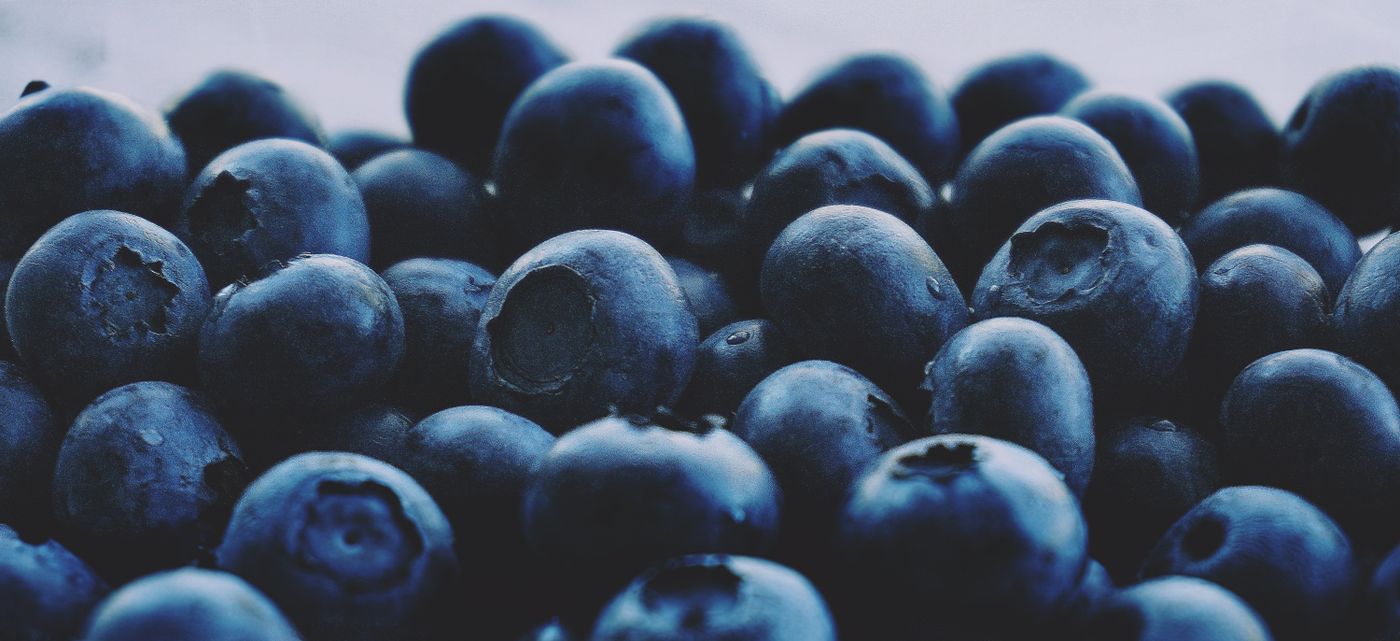
Pterostilbene solves both problems. It is a natural molecule found primarily in blueberries, structurally almost identical to Resveratrol, with approximately 4x better bioavailability and confirmed blood-brain barrier penetration. In Australia, almost no brand explains what Pterostilbene is or why it matters — which means buyers of most NMN stacks do not know what they are missing.
In this article
What Pterostilbene Actually Is
Pterostilbene (pronounced tero-STILL-bean) is a polyphenol belonging to the stilbene family — the same family as Resveratrol. It occurs naturally in blueberries (the richest dietary source), grapes, and certain tree barks. Like Resveratrol, it activates SIRT1 — the primary longevity sirtuin that regulates cellular repair, fat metabolism, and stress response.
The key structural difference: Pterostilbene has two methoxy groups where Resveratrol has two hydroxyl groups. This small molecular change has profound pharmacokinetic consequences: it makes Pterostilbene significantly more fat-soluble, more readily absorbed through the intestinal wall, and capable of penetrating the blood-brain barrier.
Pterostilbene vs Resveratrol: The Key Differences
| Property | Pterostilbene | Resveratrol |
|---|---|---|
| Oral bioavailability | ~80% | ~20% |
| Half-life | 105 min (longer) | 14 min (shorter) |
| Blood-brain barrier crossing | Confirmed ✓ | Limited |
| SIRT1 activation | Strong ✓ | Strong ✓ |
| Antioxidant activity | High ✓ | High ✓ |
| Human research base | Smaller (growing) | Larger (established) |
The practical conclusion: Resveratrol has a larger research base. Pterostilbene has better pharmacokinetics. Using both is not redundant — they are complementary. Resveratrol reaches systemic circulation more widely; Pterostilbene specifically reaches the brain.
Why Crossing the Blood-Brain Barrier Matters
The blood-brain barrier is a selective filter separating the bloodstream from the central nervous system. Most molecules that are beneficial systemically cannot cross it — they provide cellular benefits throughout the body but do not reach neurons.
SIRT1 is expressed in neurons. NAD+ fuels neuronal SIRT1. But to activate neuronal SIRT1, you need a sirtuin activator that can get into the brain. Resveratrol crosses the BBB in limited amounts — enough for some effect, but significantly less than Pterostilbene.
This is why Pterostilbene's role in cognitive support is more than theoretical. Studies have shown Pterostilbene improves working memory and cognitive performance in aged animal models. Human data is emerging. For Australians taking an NMN stack specifically for cognitive benefits — one of the most common motivations in the 45–65 age group — a formula without Pterostilbene is missing the ingredient most capable of reaching the tissue where the benefit is needed.
What the Clinical Evidence Shows
Cognitive function: A randomised, double-blind trial in healthy adults found Pterostilbene at 50mg daily significantly improved working memory over 12 weeks. The effect was most pronounced in participants with elevated LDL at baseline — suggesting the antioxidant and metabolic effects are interconnected.
Cardiovascular and metabolic effects: Multiple clinical studies confirm Pterostilbene reduces LDL cholesterol, systolic blood pressure, and fasting glucose — all markers relevant to metabolic ageing. A 2012 randomised trial found 100mg/day reduced total cholesterol and LDL more effectively than 50mg/day.
Antioxidant activity: Pterostilbene has greater antioxidant activity than Resveratrol in direct comparisons — consistent with its higher bioavailability and longer half-life providing sustained antioxidant protection at the cellular level.
The honest note on evidence: while the mechanistic case for Pterostilbene is strong and its pharmacokinetic advantages are well-documented, its human clinical trial base is smaller than Resveratrol's. The longevity-specific human evidence is not yet as deep as NMN's or Resveratrol's. We include it in the Longevity Complex because the mechanistic logic and emerging evidence are compelling — and because the alternative (using only Resveratrol) leaves the brain largely without sirtuin activation.
Dose and Why Nadovia Uses Both Resveratrol and Pterostilbene
Clinical studies have used Pterostilbene at 50–250mg daily. The most studied range for sirtuin activation and cognitive support is 50–150mg. Nadovia's Longevity Complex includes 120mg Pterostilbene + 120mg trans-Resveratrol per serving.
Using both is a deliberate decision. Resveratrol has the deeper human evidence base and systemic SIRT1 activation data. Pterostilbene provides superior bioavailability and neurological reach. Together they provide comprehensive sirtuin activation — systemic and neurological — that neither alone can match.
Related articles
FAQ
What is pterostilbene?
A naturally occurring polyphenol found in blueberries, structurally similar to Resveratrol with approximately 4x greater bioavailability and confirmed blood-brain barrier penetration. It activates SIRT1 — the primary longevity sirtuin — and is a key ingredient in any serious longevity stack.
Is pterostilbene better than resveratrol?
For bioavailability and neurological reach: yes. For breadth of human evidence: Resveratrol still leads. The optimal approach — used by Nadovia — is to include both: Resveratrol for systemic sirtuin activation with established evidence, Pterostilbene for superior bioavailability and brain penetration.
Does pterostilbene cross the blood-brain barrier?
Yes. Multiple studies confirm Pterostilbene crosses the BBB. This makes it specifically valuable for neurological SIRT1 activation and cognitive support — an area where Resveratrol's effect is more limited.
What dose of pterostilbene is effective?
Clinical studies have used 50–250mg daily. The most studied range for sirtuin activation and cognitive support is 50–150mg. Nadovia's Longevity Complex includes 120mg per serving alongside 120mg trans-Resveratrol.
The only Australian NMN formula with both Resveratrol and Pterostilbene.
120mg Resveratrol + 120mg Pterostilbene + 500mg NMN + Quercetin + TMG + B12. Published CoA every batch. Free AU shipping over $75.
View Longevity Complex →Nadovia Research Team
Evidence-based review of longevity supplement ingredients and mechanisms.
References: Kosuru R et al., J Agric Food Chem (2018) — Pterostilbene bioavailability; Bharat B Aggarwal et al., J Agric Food Chem (2014); Krikorian R et al., J Agric Food Chem (2010) — cognitive trial; pubmed.ncbi.nlm.nih.gov. Not medical advice.